Bali Pass Trek, Uttarakhand
4.5/5
- 8D / 7N
- Dehradun
60 kms
16,050Ft
Easy to Moderate
Expert Guide
Bali Pass Trek, Uttarakhand
4.5/5
- (1,232 Reviews)
- 8D / 7N
- Dehradun to Dehradun
60Kms
16,050Ft
Moderate to Difficult
Expert Guide
Overview
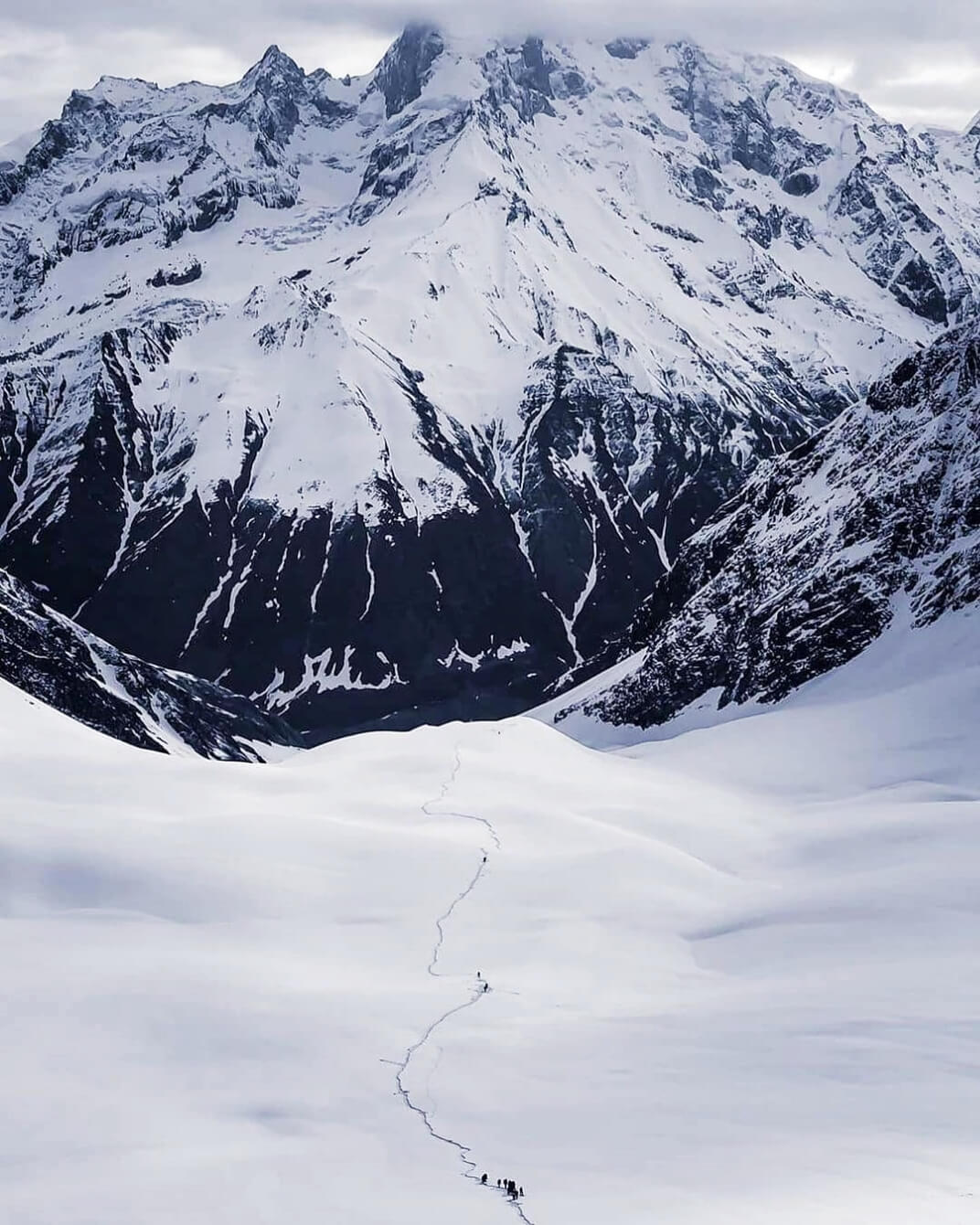
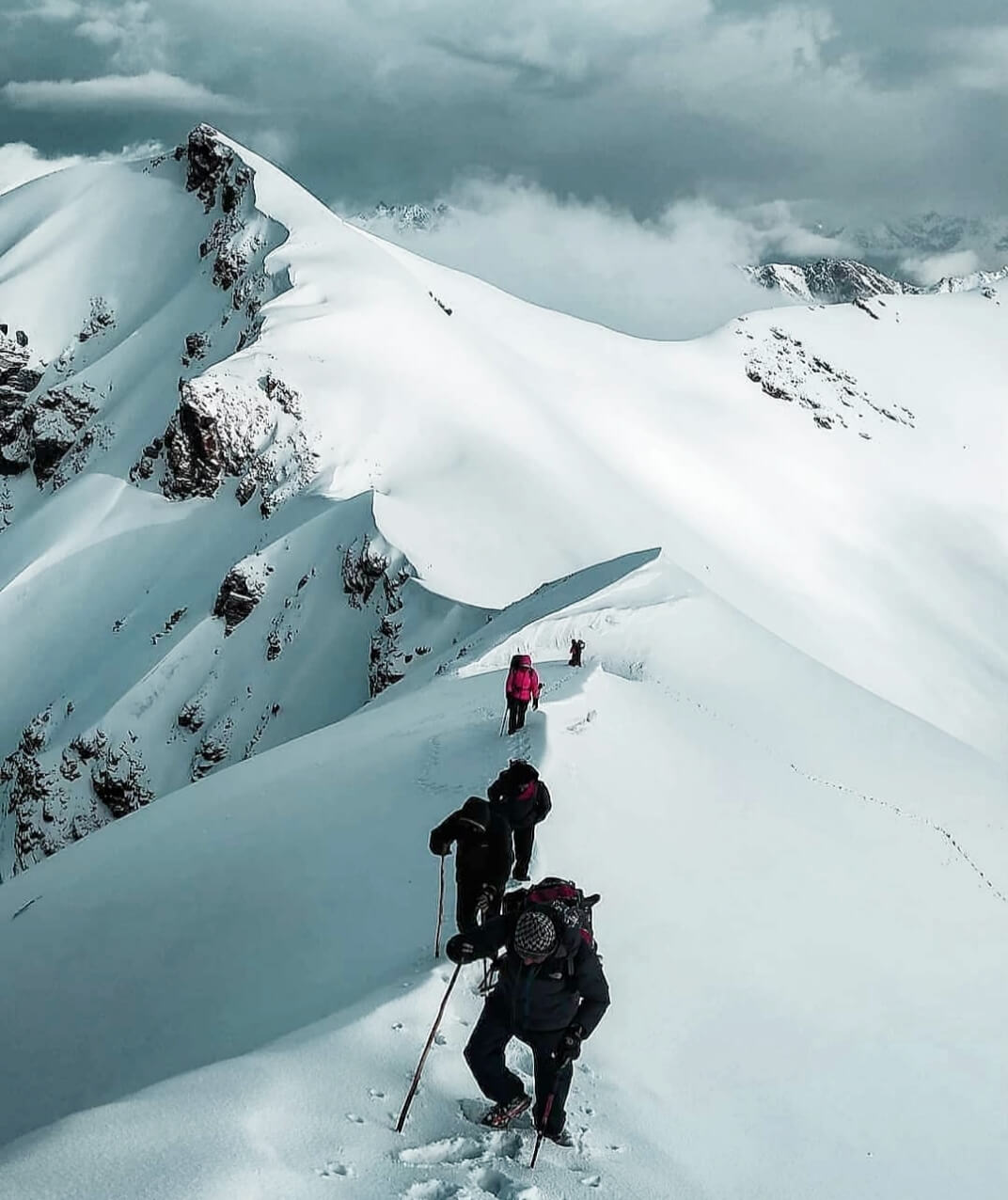
Bali Pass is a mountain pass that links the Har Ki Dun – Ruinsara Valley to Yamunotri and vice versa at a height of slightly less than 5000 metres. The journey passes through several historic villages in the Har Ki Dun valley, including Osla, Gangaad, and Taluka, before ascending into Govind National Park. On the way, we pass through the lovely Ruinsara Lake. On the approach to the pass, there are several waterfalls. From Taluka to Janki Chatti, the Bali Pass walk is 66 kilometres. The journey is challenging, with a maximum elevation of almost 16000 feet and long walking days with steep ascents and descents. If doing the Bali Pass hike alone, it is strongly recommended that you follow a route guide since it is easy to overestimate the track when descending or ascending the pass, which has steep parts that might cause disasters.
Trek Itinerary
Our walk begins in Dehradun, making it an excellent choice for anyone seeking for treks near Delhi. We will arrive at the base camp Sankri after driving alongside the Tons River and passing through Uttarakhand villages such as Damta, Purola, Mori, and Netwar. There is no network in this area, so we can enjoy the breathtaking view of the sun sinking over the Greater Himalayan ranges without being distracted. We'll be staying in hotels or homestays in this city.
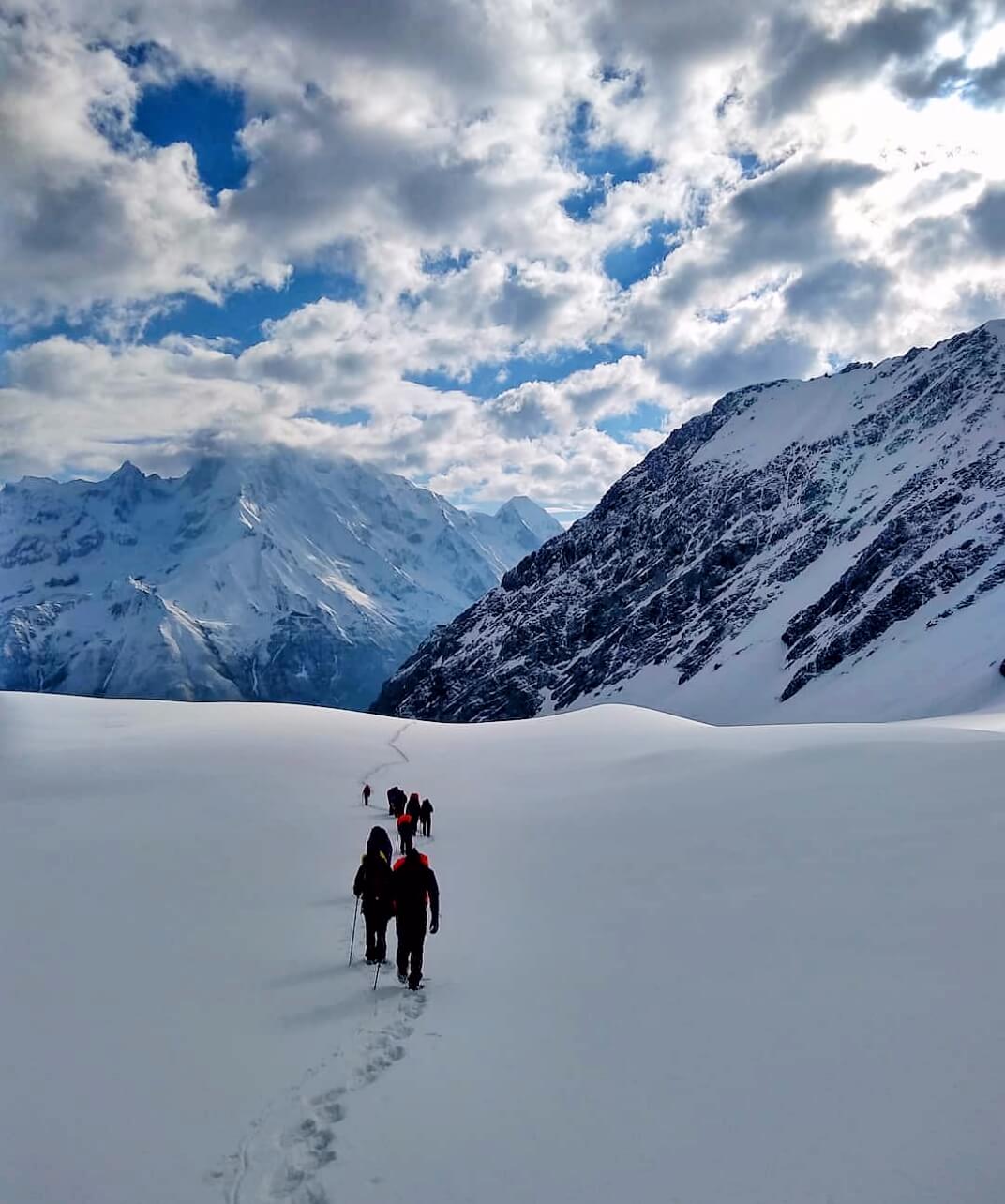
Following a full breakfast, we will be driven to Taluka. The Govind Pashu National Park's motorable road comes to an end here. The trip begins on a gravel route alongside the Supin River, which is pouring with water. Plantations of the red-colored Himalayan crop amaranth, popularly known as cholai, may also be seen. The stroll is as lovely as the locals welcoming us along the route, under the shade of walnut, pine, deodar, and maple trees. We see the settlement of Gangad across the river on the left after a few hours and crossing a few creeks. We continue on our journey and, after about an hour, the charming town of Osla emerges. The name Osla is well-known among hikers. It is home to roughly 200 households and provides insight into Garwahli culture. Seema is a little town on the other side of the river from Osla. We pitch a camp here or stay in a hut with a village family.
Leaving the last of the human villages behind, we continue following the river Supin on the true left side of the valley. Tons, the largest tributary of the Yamuna, is formed when Supin and Rupin combine near Netwar hamlet.
An ascent through deodar trees leads to Devsu Thatch, a lovely meadow. Set against the rising Swargarohini hills is this 1km stretch of lush land. Straight ahead, we can see Kalanag (Black Peak) (6387m). Har Ki Dun Valley may be seen to our left. The confluence of the Har Ki Dun and Ruinsara rivers is located at its bottom. We enter the Ruinsara valley after descending from the meadow. We camp along the creek at the waterfall known locally as Roiltigad or Roiltia at the end of today's hike.
Even at a leisurely pace, today's voyage will take less than 2 hours. We also observe a significant shift in vegetation along the trek. Birch and rhododendron trees take the place of pine and fir trees. The endangered Himalayan brown bear frequents the dense jungle we go through. If we're lucky, we might be able to glimpse this elusive and unusual species.
Ruinsara Tal, beautiful alpine tarn surrounded by thick Rhododendron trees with their distinctive pink bloom in the summers, is one of the trek's highlights. This holy lake in the Himalayas of Uttarakhand will fascinate us. It is one of the Garhwal region's three lakes, the other two being Marinda and Maldaru. We'll be camping near the lake for the night.
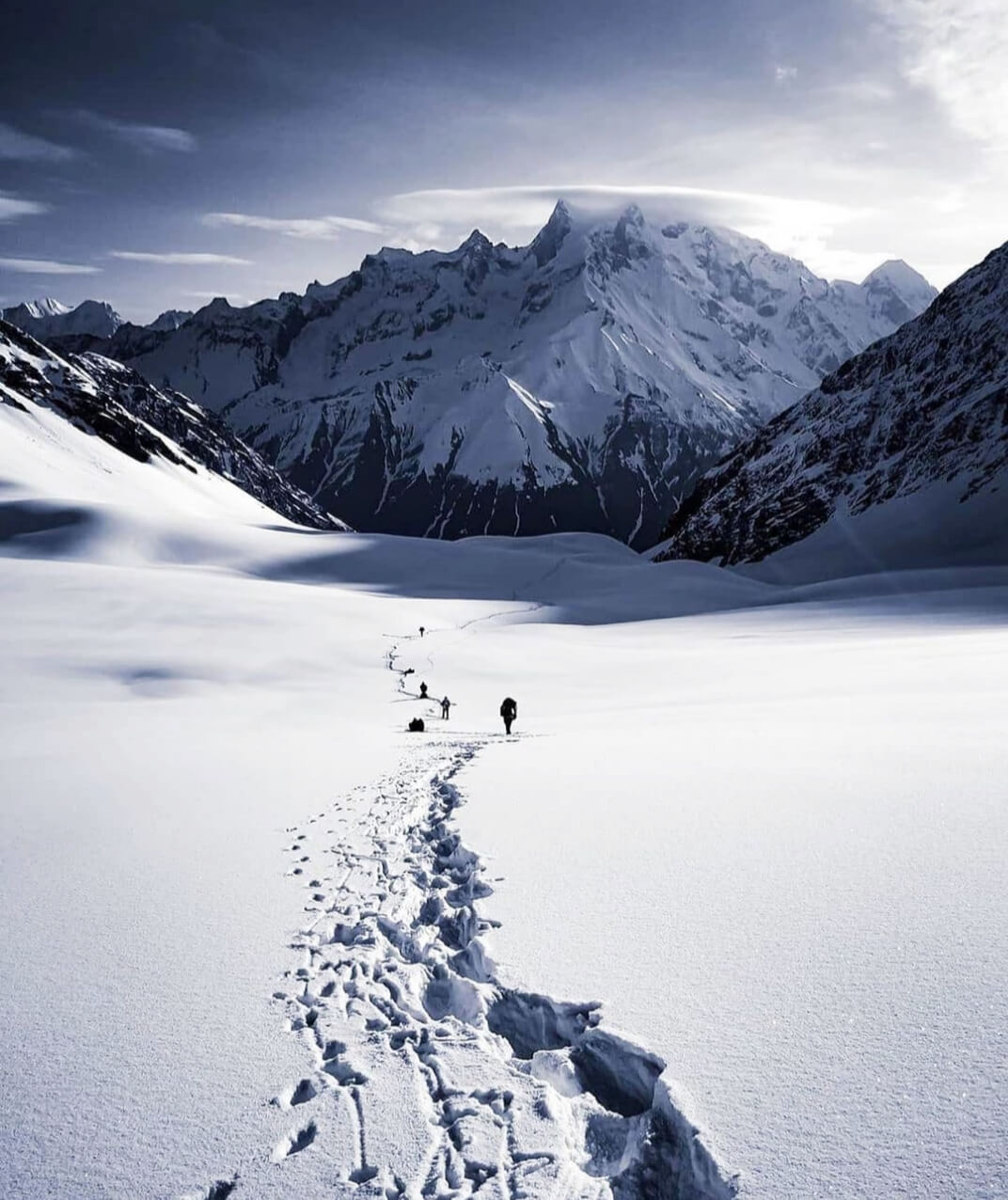
We get up early in order to get at our location before the afternoon. We stroll down to the shallow riverbed, over to the opposite bank, and uphill to Thanga, another lovely meadow. The Swargarohini mountains, which seem to be everywhere, may also be seen from this meadow. The Kyarkoti valley is on the left. Odari is not far away. The name 'Odari' refers to a cave rock that has formed organically. This location is related with a mythical narrative. Bali, Hanuman's brother, is said to have stayed here for one night. There's a chance we'll uncover evidence of the rare Himalayan brown bear here as well. We set our camp on a glacier moraine below Bali Pass. With the valley below and the Pass behind us, this is one of the nicest spots for a camp. Temperatures drop to below 0 degrees at night. Camping at this height is a once-in-a-lifetime opportunity that only a few excursions provide.
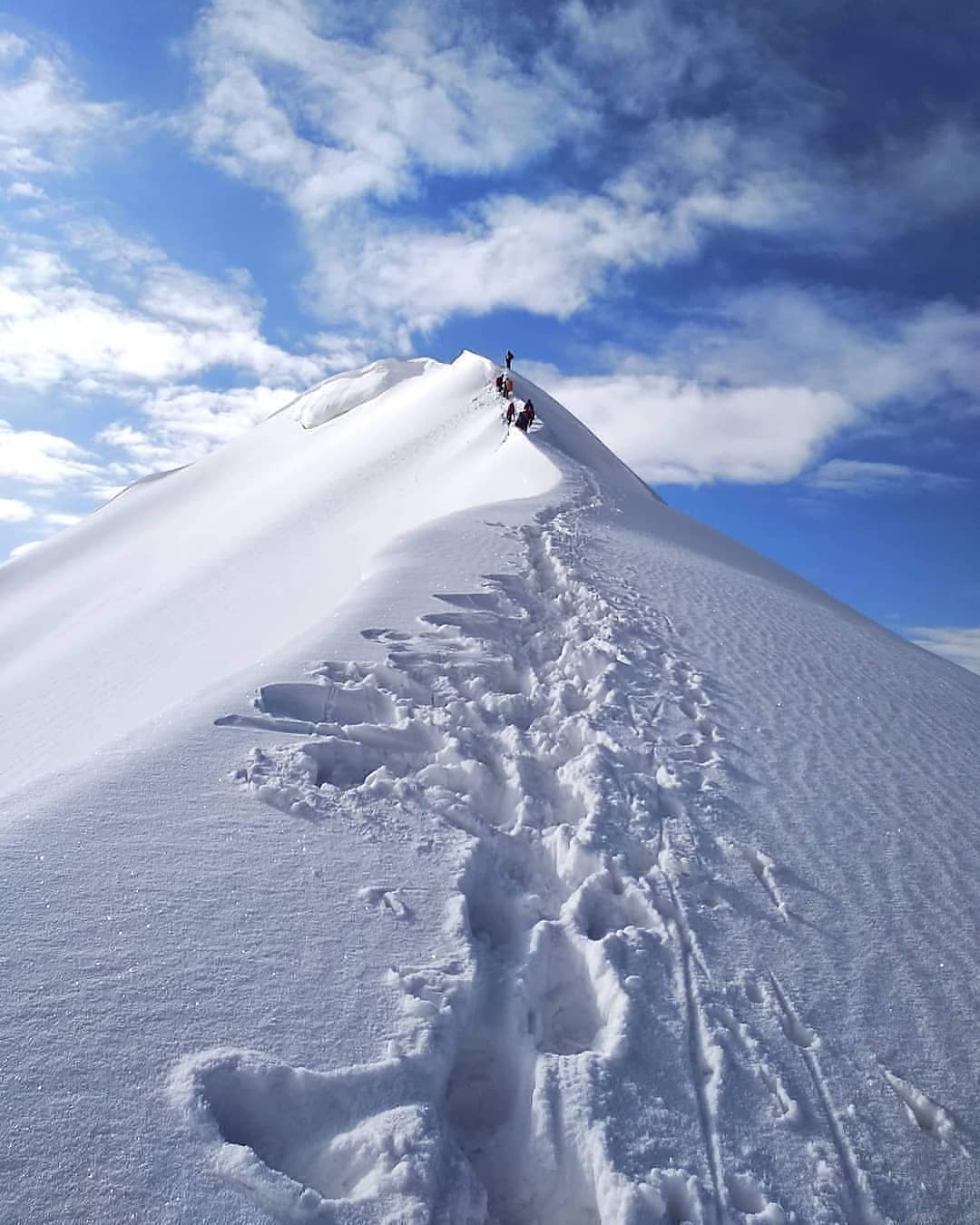
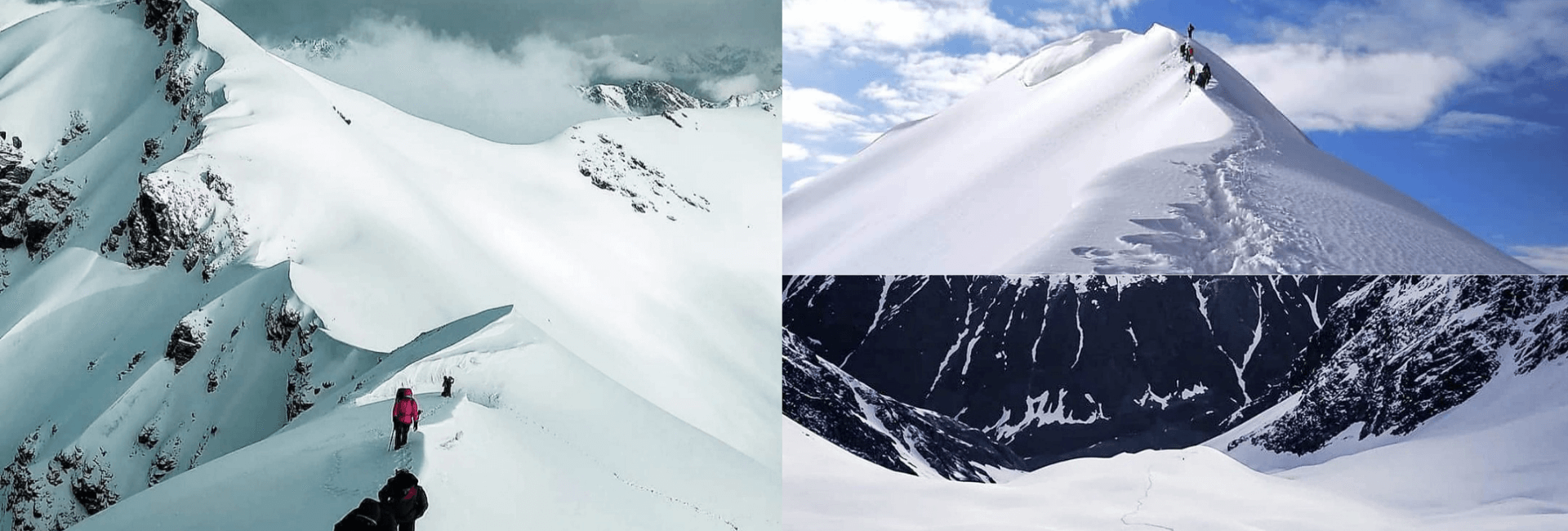
This day, too, the crossing of Bali Pass begins early. We aim to get at the peak by 8 a.m. The route descends and crosses a hill to the south. The ascent to the Pass is quite short but steep. There will be a lot of glacial scree here. The time it takes to get to the peak varies from 45 minutes to an hour and a half. For the first time, we see the Yamunotri valley after we reach the peak. The panorama is breathtaking. We may see indications of the Saptrishi Kund, which is the Yamuna's source. From the summit of the Pass, we can also see the Banderpunch peaks. Dayara Bugyal, Barua Top, and Dokrani Bamak peaks are also visible. We next cautiously descend down a connecting slope to the higher Dhamni camping areas.
We continue our descent to a woodland path. This road leads to Yamunotri's famed shrine, which is framed by the magnificent Bandarpunch. It is dedicated to Goddess Yamuna and is one of the temples in the Char Dham circuit. We go along the traditional pilgrim trail to Janki Chatti after paying our respects to her black marble statue. We spend the night in one of the local guesthouses. We will have power but no phone service.
This is the last day of our journey, and we'll be returning to Dehradun. We may make the most of this trip by stopping at other well-known destinations along the way, such as the Kempty Falls, Nainbagh, and Mussourie. We had a cherished experience with equally great recollections of an unusual journey and touristic sight-seeing.
For Fixed Departure Booking, please call or watsapp on
+91-7579173771
Inclusion
- Transportation from pickup to drop location.
- Meals while on trek. (Veg + Egg).
- All Necessary entry fees and permits.
- First aid kits and oxygen cylinder and stretcher.
- Poters/Mules to carry central equipments.
- Goalpines staff insurance.
- Mountaineering qualifieds trek leader, guide, cook and staff.
- Accomodation in guest house, home stay, camping during trek.
- Trekking equipments: sleeping bags, mattress, dome alpine shape tents, kitchen Tent, dining tent, toilet tents and micro spikes.
Exclusion
- Any kind of personal expenses.
- During the travel food.
- Insurance
- Any kind of emergency exacuation charges.
- Personal Luggage porterage/Mules charges. INR-300/day.
Things To Carry
- Trekking shoes with good grip.
- Backpack (40-60litres) with rain cover.
- Extra pair of socks.
- Poncho.
- Woolen Cap / Scarf / Bandana.
- Headlamp/ torch.
- Daypack.
- Water bottles.
- Personal medicines.
- Id proof: – (driving license, voters Id etc.)
- Accessories: – sunglasses, suncap, synthetic warm hand gloves.
- Toiletries: – sunscreen, moisturizer, light towel, lip balm, toilet paper, toothbrush, toothpaste, hand sanitizer.
- Clothes: -Warm layers (fleece, woolen and one padded jacket ), two trek pants, three t shirts, one pair thermals uper lower.
FAQ's
A- With 5 years of expertise in the world of adventure, we are here to help. There are numerous trekking companies to select from, and picking the proper one is crucial. Our professional staff has extensive knowledge of mountain terrains, climbing abilities, and real-life experiences as local specialists. We look after our lodging, meals, and equipment after putting safety first. The service quality is never compromised. Himalayan Hikers constantly tries to bring you closer to the nature by delivering sustainable hikes while organising your journey. We assist you in exploring the culture of tiny villages and providing excellent traditional meals from various locations, so go outside of your comfort zone and join our team for once-in-a-lifetime adventures.
A- When visiting a trek, food safety is always a major issue. As a result, we make every effort to select Lodges [tea houses] and restaurants with clean and sanitary kitchens. On our lodge treks, we provide a cook who uses our own cookware to produce safe and appetising meals, as well as sanitary washing facilities. On camping vacations, the food we offer is absolutely safe.
A- It is best to schedule two months in advance to ensure that all of the necessary arrangements are done. If the dates are available, we accept reservations up to one week in advance.
A- Fill out the reservation form on our website (link) or particular trek’s page or send us an email at info@goalpine.in. You may also reach out to us via the phone numbers listed on the website.
A- Yes, we rent out trekking equipment. Trekking necessitates a significant financial commitment, and many people like this incredibly costly hobby, therefore we have some exciting news to share that will be a huge comfort to your wallet. All you have to do now is make a specific rental request when booking your trip to acquire your Trek Gear on Rent. That's it! For your convenience, we've kept things simple.
A- Carry your backpack, and if you are unable to do so for whatever reason, porters will accompany you. Offloading is subject to additional fees.
A- On treks, lodging options include hotels, homestays, lodges, guesthouses, and tents. We attempt to provide lodging in homestays and hotels in local locations to help locals earn a living. It also allows you to experience mountain life and learn about the local folks.
A- The weather is unpredictable and can change at any time, however nights are normally chilly and days are mild. However, it is entirely dependent on the season and weather conditions. Keep enough warm clothing on hand to defend oneself from the cold.