Valley of Flowers, Uttarakhand
4.5/5
- 6D / 5N
- Dehradun
37 Kms
14,100Ft.
Easy to Moderate
Expert Guide
Valley of Flowers, Uttarakhand
4.5/5
- (1,232 Reviews)
- 6D / 5N
- Dehradun to Dehradun
37 Kms
14,100Ft.
Easy to Moderate
Expert Guide
Overview
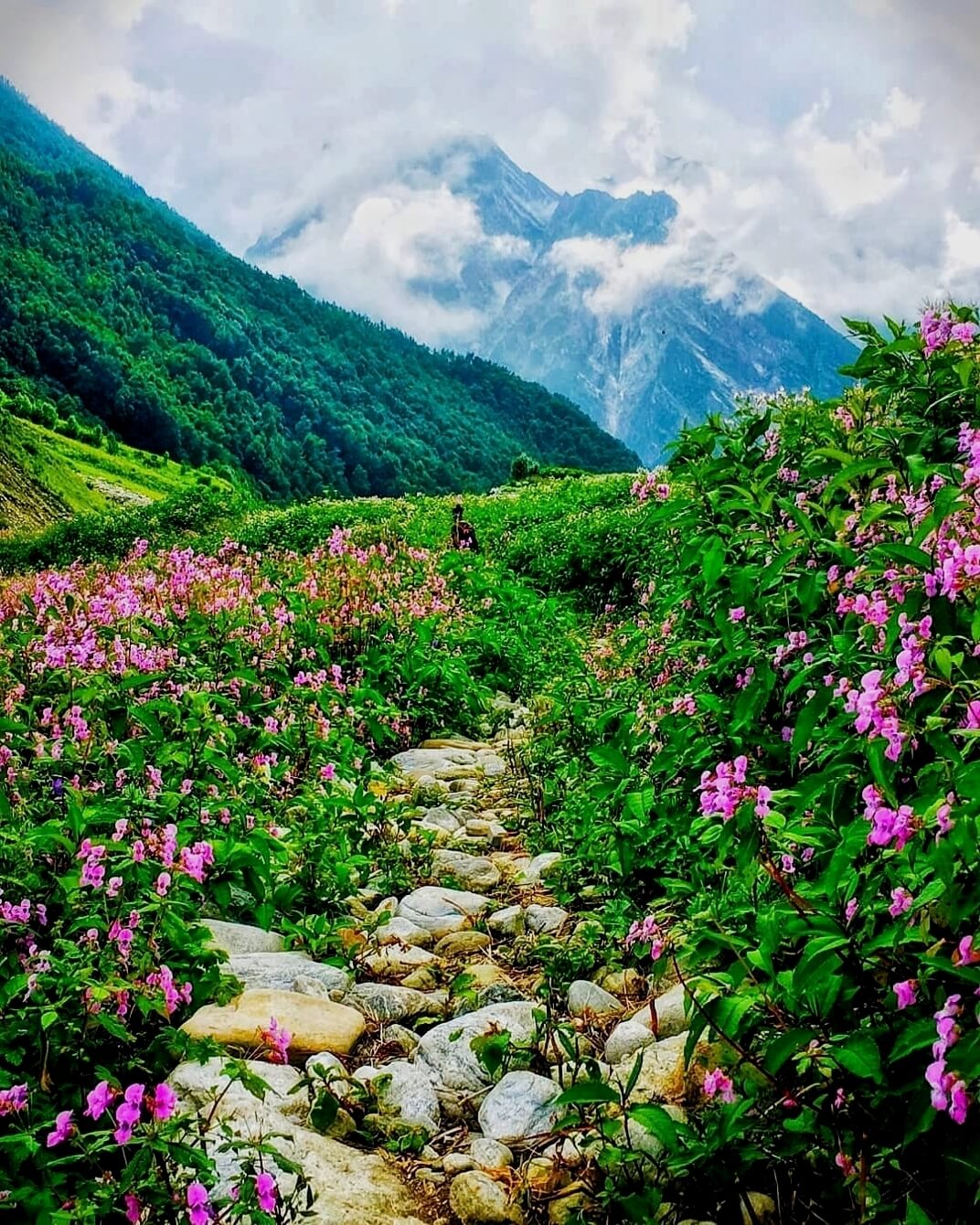
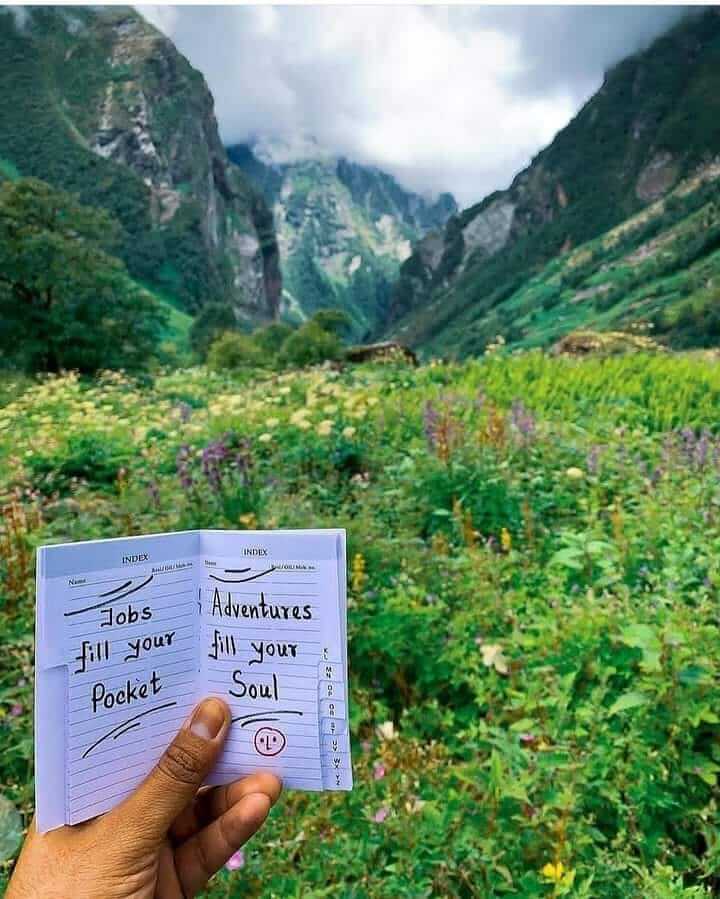
Valley of Flowers is a dreamlike trek through the valley that opens up to a flower bed, with peaks and glaciers in the background and a river bed; it is a must-see for nature enthusiasts. Valley of Flowers is a UNESCO World Heritage Site located between the Zanskar and Great Himalayan peaks. While returning from one of their climbing adventures, Frank Smythe, Holdsworth, and Shipton discovered it. This happened in 1931, when a group of six mountaineers returning from a successful Mt. Kamet trip came into the Bhyundar valley, which continues to draw trekkers, naturalists, botanists, nature enthusiasts, and mountaineers to this day. The valley’s discovery was inadvertent, but it has now grown into a spectacular attraction. Valley of Flowers, which is part of the Nanda Devi Biosphere Reserve, is a popular destination for botanists, mountaineers, and trekkers.
It is a location rich in Himalayan flora and flowers, as well as uncommon Himalayan birds that can only be found at a certain height. The valley’s vegetation and animals are extremely delicate and endangered. Gauri Parbat (6590m), Rataban (6126m), and Kunth Khal are among the peaks that surround the national park (4430m).
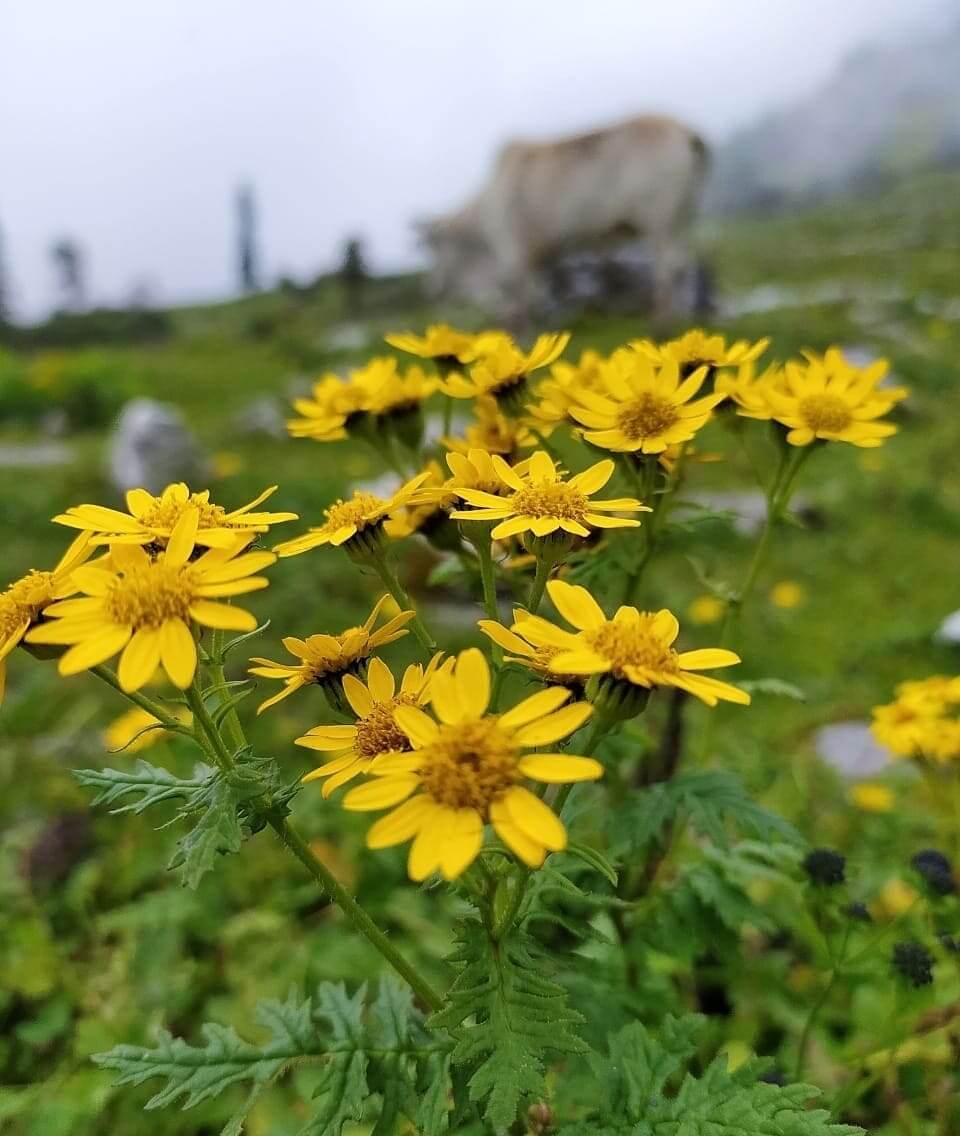
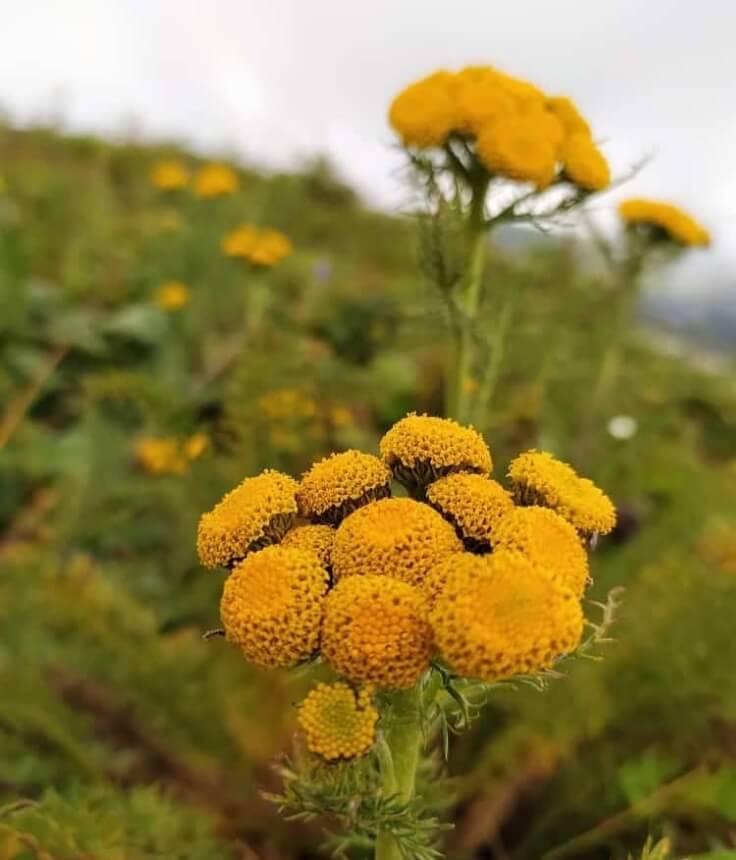
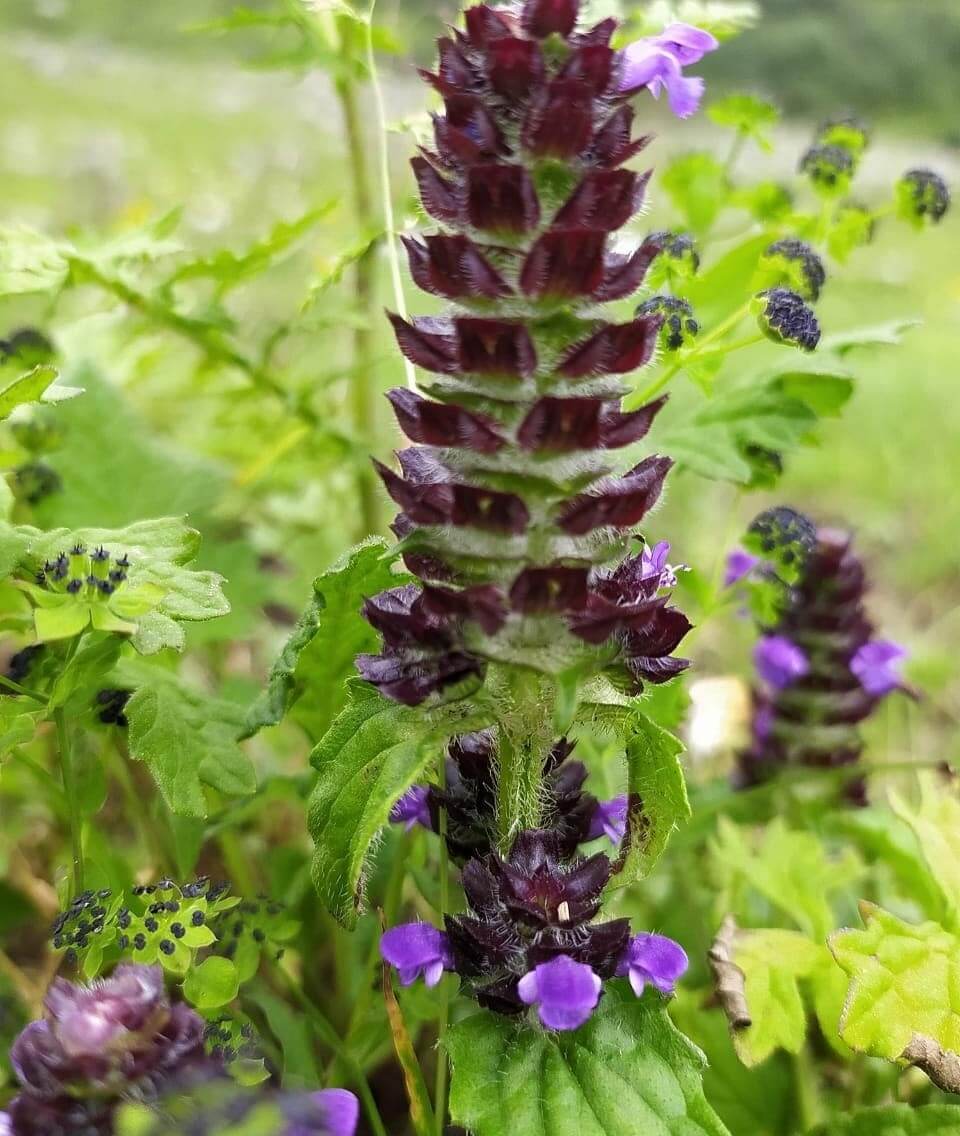
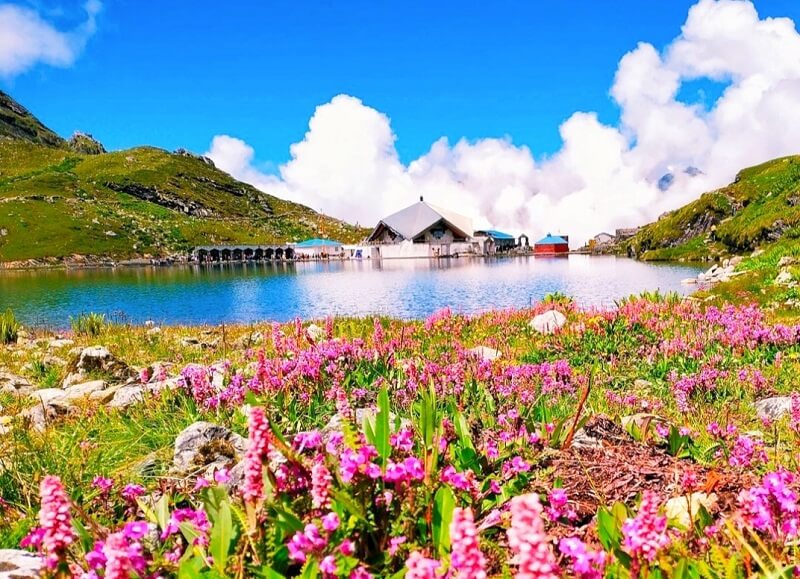
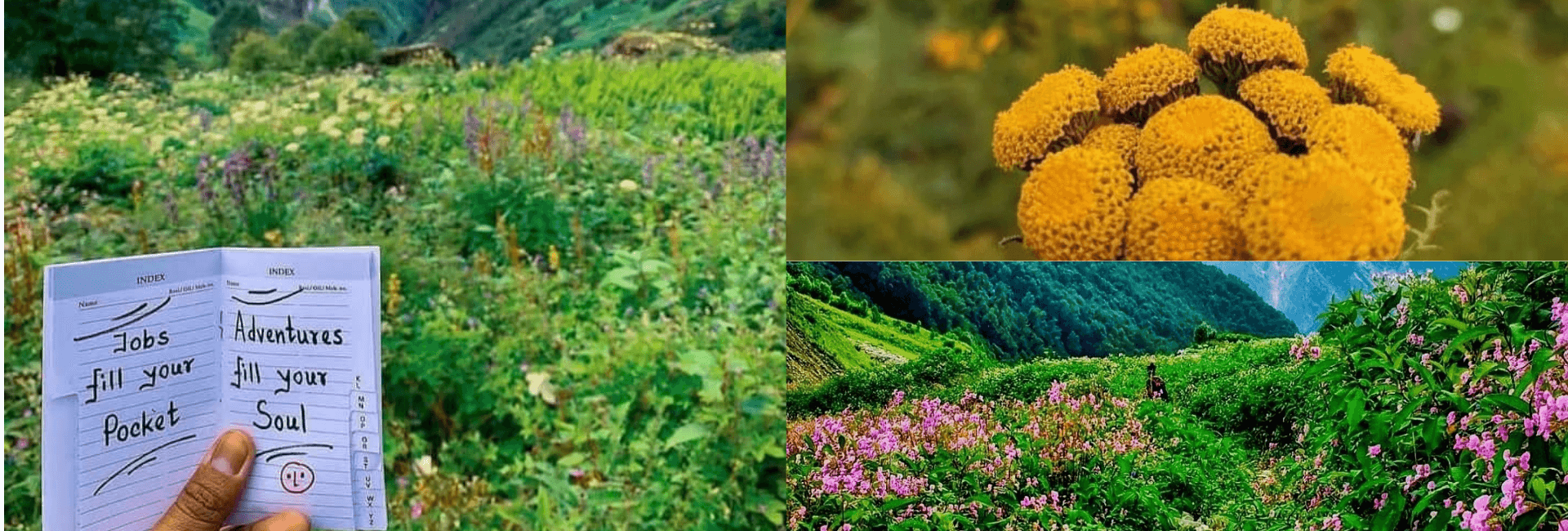
The Pushpawati River runs through the valley, eventually merging with the Lakshman Ganga near ghangaria. It is the primary source of moisture, and because the soil here does not retain much water, the flowers blossom almost quickly after the first rains. By mid-August, the valley floor is carpeted with balsam, anemones, blue poppy, brahma kamals, primulas, asters, and other flowers. There are certain carnivorous animals that eat insects as well, but these can only be detected by a diligent observer. This valley offers spectacular panoramas and panoramic views to nature lovers. It’s a beautiful sight to walk along a path lined with flowers.
For Fixed Departure Booking, please call or watsapp on
+91-7579173771
Trek Itinerary
Following passing through portions of the Prayags, we arrive at Joshimath, after a long yet gorgeous trip through Uttarakhand's key towns. We leave Haridwar early in the morning and arrive at Joshimath in the late afternoon. We follow the Alaknanda river all the way from Rishikesh to Devprayag, which is the ultimate prayag (confluence) between the Alaknanda and Bhagirathi rivers, and then to Srinagar. The journey from Haridwar to Karanprayag is 250 kilometres approx long and takes 7 hours approx. We arrive at Karanprayag, one of the Panch (five) Prayags (confluences) where the Alaknanda River joins the Pindar. It will be our overnight destination on the trek's last day. We continue on to Joshimath, where we will check into a hotel in the evening. In the evening, we may go for a walk around town.
We check out of the hotel after breakfast and drive to Govindghat. The trip to Govindghat, where we transfer cars and go to Pulna, takes about 45 minutes. We begin our walk towards Ghangaria from Pulna. On this day, the distance to be completed is 11 kilometres, which will take around 5-6 hours to finish. The trail is laid while hiking towards Ghangaria, making the journey somewhat simpler. Continuous elevation, on the other hand, might be exhausting. The hike road from Ghangaria to Hemkund Sahib is filled with little dhabas, pilgrims on their way to Hemkund Sahib, and a raging river Pushapavati outflow. You will also be surrounded by woodland for the whole of the trip, which will help to cool you off and make the hike more enjoyable. The path to Ghangaria, as well as the route to Hemkund Sahib, is quite congested. If the weather is clear, you'll see a lot of helicopters and there are plenty of places to dine. You'll pass through the camps on your way to Ghangaria's main settlement. We settle into our hotel and relax for the remainder of the evening.
Today is the day you've been looking forward to! The Valley of Flowers greets you with a vista that only the fortunate few will see. We leave Ghangaria early in the morning to get at the valley between 0900 and 1000 hours. The walk begins on a narrow trail that is surrounded on all sides by woodland, with a clear steady rise in the quantity of flowers along the way. You will pass a bridge and then begin an abrupt ascent. Continue travelling down the slope, and the route will eventually open up into a large valley. The Valley begins from here. The first view is of the peaks ahead of the trail you've been walking on. The valley and the Tipri glacier may be seen if you glance to your right.
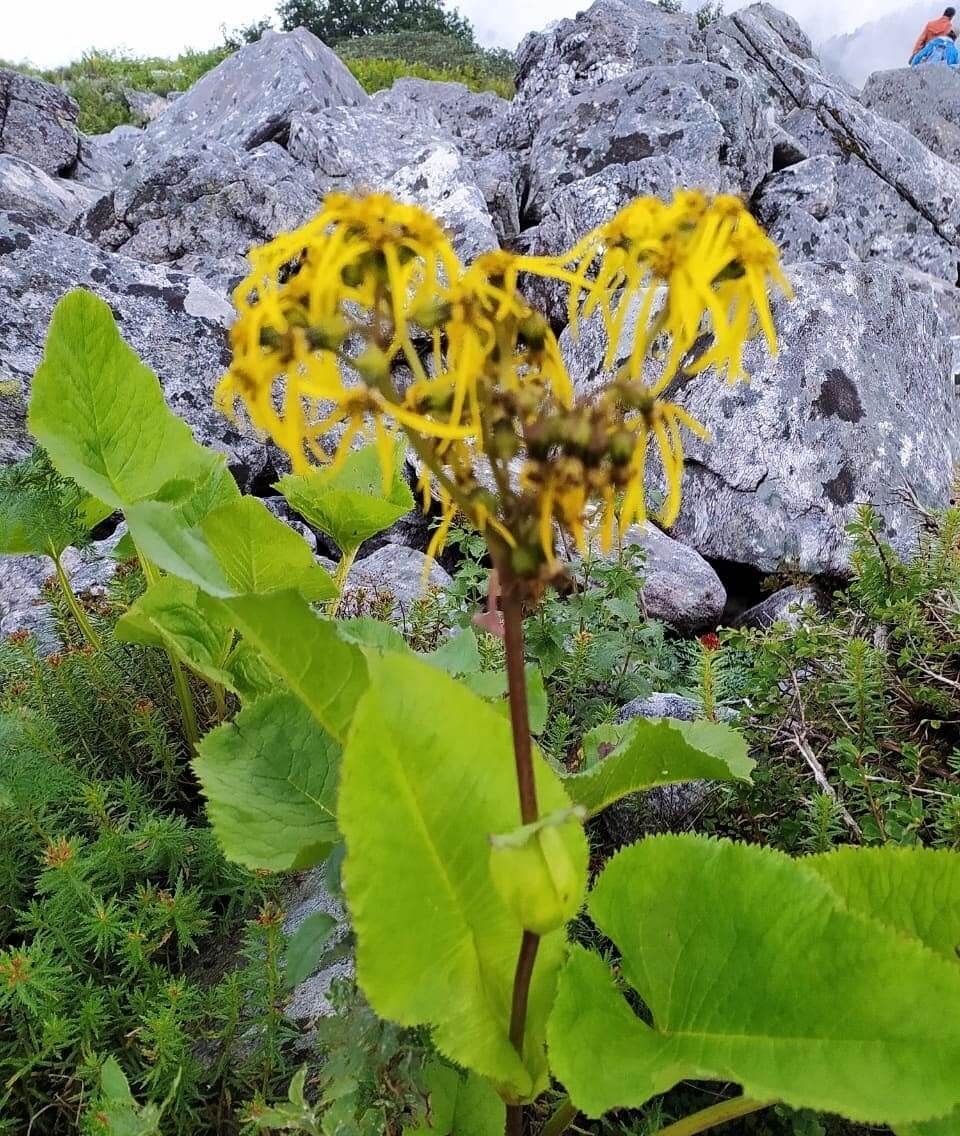
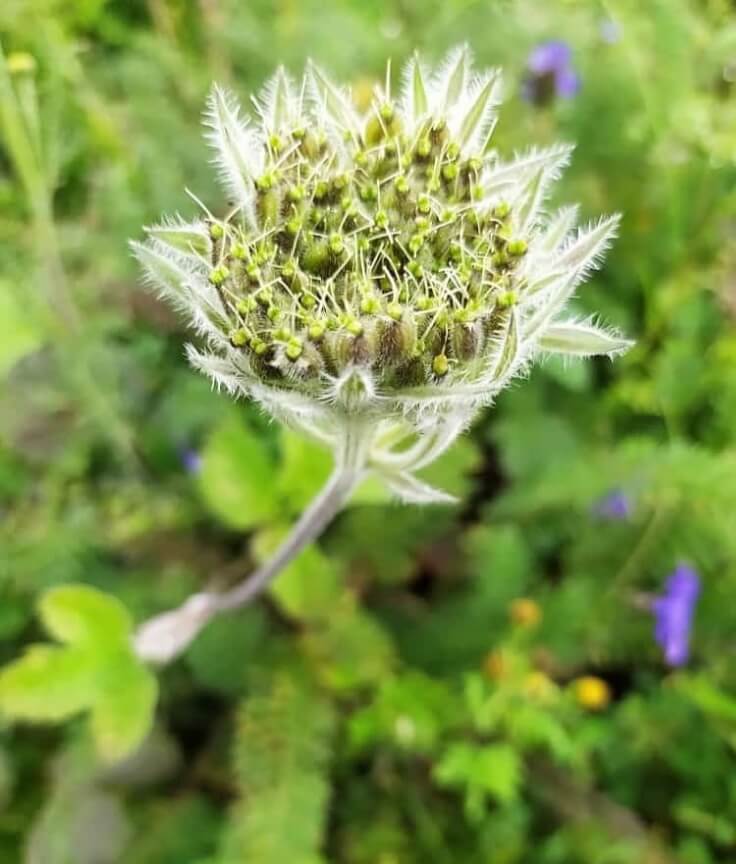
Rare Himalayan flower species abound in the valley, including blue poppy, orchids, primulas, and Himalayan bell flowers. The valley of flowers is not only significant in today's setting, but it has always piqued the curiosity of lovers. One such person was Lady Joan Margaret Legge, who died in the valley after slipping. Her burial is marked, and hikers frequently visit her grave. You may also hike to the riverbed of the Pushpavati. The river's name is derived from the meaning of the valley of "flowers." You may spend your time looking at the flowers, taking pictures, or doing nothing at all! The valley does not let you down in the least. Following lunch, we return to Ghangaria after spending 1-2 hours in the valley. The descent is pretty easy, but it can be taxing on the knees. You may spend the evening after arriving in Ghangaria exploring the area.
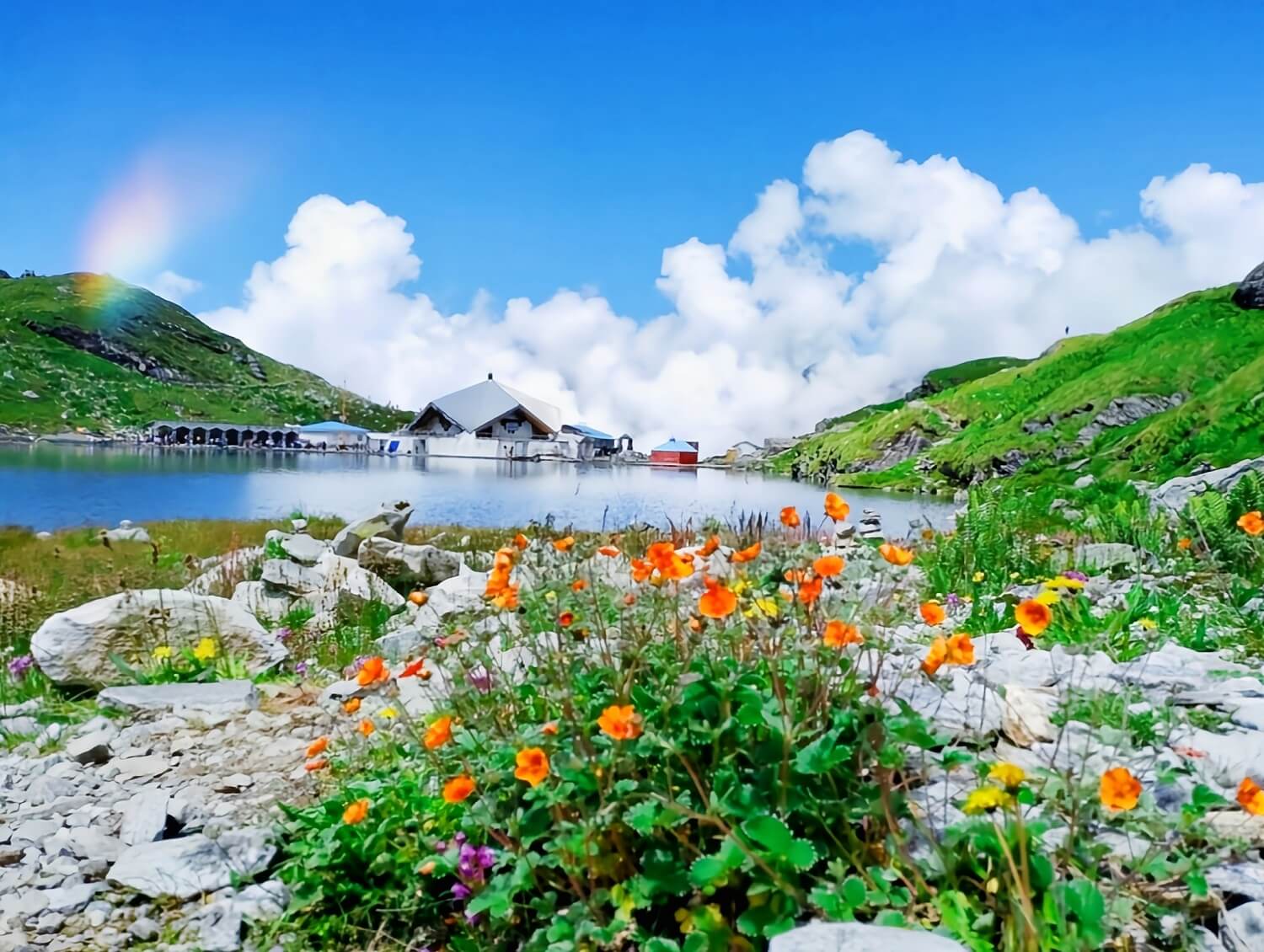
The next day, we set out on a pilgrimage. After breakfast, we begin our walk to Hemkund Sahib. The journey from Ghangaria to Hemkund Sahib is 6 kilometres long and takes around 5 hours. The trail is well-kept and peppered with little food establishments, which is not the case on the way to the Valley. Flowers line the way to Hemkund sahib, which you may have seen in the Valley of Flowers. The walk to Hemkund Sahib is difficult yet beautiful. Pilgrims are clearly driven to reach the gurudwara, with some even walking the distance barefoot. When you get to Hemkund Sahib, enter the gurudwara and order some ready-to-eat hot Halwa and tea. You may also relax for a bit by the Sarovar and take in the scenery. We return to Ghangaria by the same road after spending an hour at the gurudwara. We rest for a bit after arriving at Ghangaria and spend the evening at leisure.
We said our goodbyes to Ghangaria and checked out of our motel after breakfast. We travel the same path back to Pulna and begin hiking early in the morning to make it to Govindghat on schedule. We board our bus at Govindghat and go to Badrinath, which is one of the "Char Dhams," or the four holiest temples. We leave after seeing the Temple for Karanprayag, where we reach in the early evening. We book a room in a hotel for the night. In the evening, we might go to the confluence to observe the Aarti.
After breakfast, we depart from Karanprayag and begin our journey to Haridwar, passing by the cities of Devprayag and Rishikesh along the way. We check out of our hotel early in order to get in Haridwar by late afternoon. When you arrive in Haridwar, your journey comes to a close with a backpack full of unforgettable experiences! Alternatively, you may stay in Tapovan or Rishikesh for even another fantastic experience in these incredible places, capping off an already fantastic tour.
Inclusion
- Transportation from pickup to drop location.
- Meals while on trek. (Veg + Egg).
- All Necessary entry fees and permits.
- First aid kits and oxygen cylinder and stretcher.
- Poters/Mules to carry central equipments.
- Goalpines staff insurance.
- Mountaineering qualifieds trek leader, guide, cook and staff.
- Accomodation in guest house, home stay, camping during trek.
- Trekking equipments: sleeping bags, mattress, dome alpine shape tents, kitchen Tent, dining tent, toilet tents and micro spikes.
Exclusion
- Any kind of personal expenses.
- During the travel food.
- Insurance
- Any kind of emergency exacuation charges.
- Personal Luggage porterage/Mules charges. INR-300/day.
Things To Carry
- Trekking shoes with good grip.
- Backpack (40-60litres) with rain cover.
- Extra pair of socks.
- Poncho.
- Woolen Cap / Scarf / Bandana.
- Headlamp/ torch.
- Daypack.
- Water bottles.
- Personal medicines.
- Id proof: – (driving license, voters Id etc.)
- Accessories: – sunglasses, suncap, synthetic warm hand gloves.
- Toiletries: – sunscreen, moisturizer, light towel, lip balm, toilet paper, toothbrush, toothpaste, hand sanitizer.
- Clothes: -Warm layers (fleece, woolen and one padded jacket ), two trek pants, three t shirts, one pair thermals uper lower.
FAQ's
A- With 5 years of expertise in the world of adventure, we are here to help. There are numerous trekking companies to select from, and picking the proper one is crucial. Our professional staff has extensive knowledge of mountain terrains, climbing abilities, and real-life experiences as local specialists. We look after our lodging, meals, and equipment after putting safety first. The service quality is never compromised. Himalayan Hikers constantly tries to bring you closer to the nature by delivering sustainable hikes while organising your journey. We assist you in exploring the culture of tiny villages and providing excellent traditional meals from various locations, so go outside of your comfort zone and join our team for once-in-a-lifetime adventures.
A- When visiting a trek, food safety is always a major issue. As a result, we make every effort to select Lodges [tea houses] and restaurants with clean and sanitary kitchens. On our lodge treks, we provide a cook who uses our own cookware to produce safe and appetising meals, as well as sanitary washing facilities. On camping vacations, the food we offer is absolutely safe.
A- It is best to schedule two months in advance to ensure that all of the necessary arrangements are done. If the dates are available, we accept reservations up to one week in advance.
A- Fill out the reservation form on our website (link) or particular trek’s page or send us an email at info@goalpine.in. You may also reach out to us via the phone numbers listed on the website.
A- Yes, we rent out trekking equipment. Trekking necessitates a significant financial commitment, and many people like this incredibly costly hobby, therefore we have some exciting news to share that will be a huge comfort to your wallet. All you have to do now is make a specific rental request when booking your trip to acquire your Trek Gear on Rent. That's it! For your convenience, we've kept things simple.
A- Carry your backpack, and if you are unable to do so for whatever reason, porters will accompany you. Offloading is subject to additional fees.
A- On treks, lodging options include hotels, homestays, lodges, guesthouses, and tents. We attempt to provide lodging in homestays and hotels in local locations to help locals earn a living. It also allows you to experience mountain life and learn about the local folks.
A- The weather is unpredictable and can change at any time, however nights are normally chilly and days are mild. However, it is entirely dependent on the season and weather conditions. Keep enough warm clothing on hand to defend oneself from the cold.